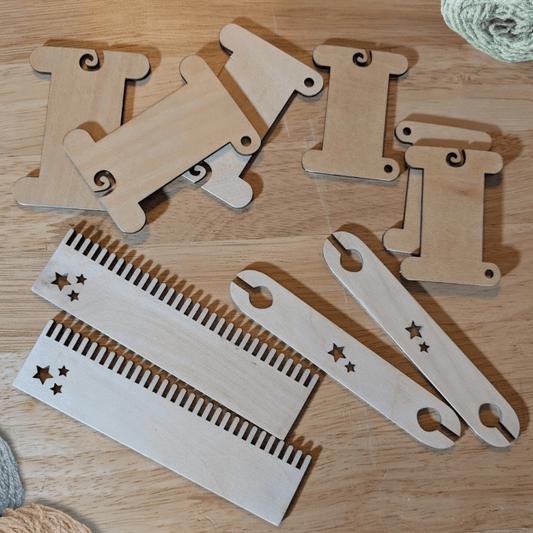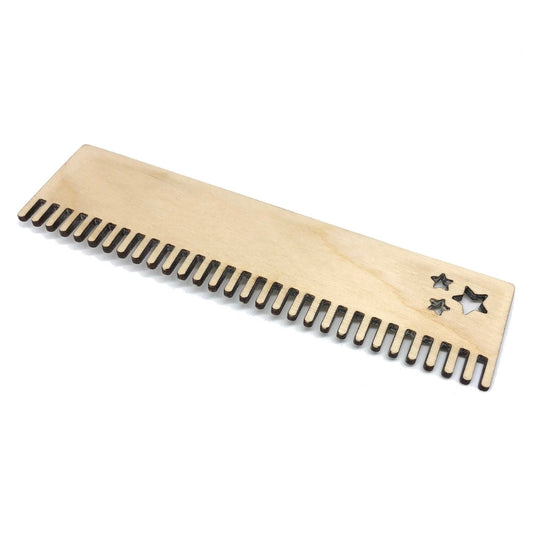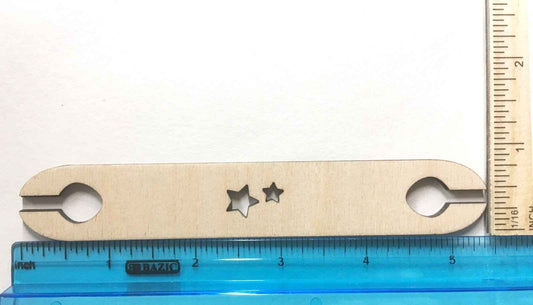

Tool Identifier
-

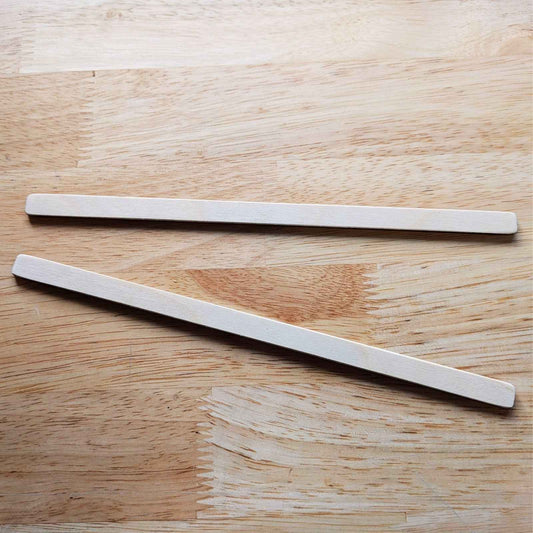
Spreader Sticks
Used to help spread out warp lines, making it easier to run your shuttle or needle between the lines.

Free Weaving Books
-

Various Hand Weaving Projects
- published: 1901
- Read it for Free
-

Card Loom Weaving: Twill Weaving
- Dryad Handicrafts
- published: 1900
- Read it for Free
-

The Pricilla Weaving Art Book of Instructions
- published: 1915
- Read it for Free
-

Jacquard Weaving and Designing
-

Embroidery and Tapestry Weaving
-

Hand-Loom Weaving: A Manual for School and Home
-

Aboriginal American Weaving
-

Cotton Weaving and Designing
-

Navajo Weavers
-

Theory of Silk Weaving


Free Patterns for the Lap Loom
-

Lap Loom Pattern 1
Open This Pattern -

Lap Loom Pattern 2
Open This Pattern -

Lap Loom Pattern 3
Open This Pattern -

Lap Loom Pattern 4
Open This Pattern


-
1/4" Thick Lap Loom, Travel Loom and Tiny Loom Kit with yarn and accessories
Regular price $20.00 USDRegular price$0.00 USDSale price $20.00 USD -
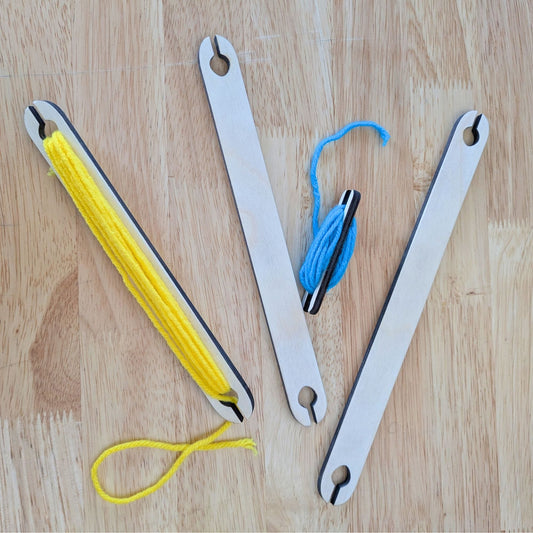
Wooden Bobbins / Spools - 3 Packs
Regular price From $1.75 USDRegular price$0.00 USDSale price From $1.75 USD -
Weaving Loom Comb 2 Pack
Regular price $2.00 USDRegular price$0.00 USDSale price $2.00 USD -
Circle Weaving Loom Set - 3 pack of 1/4" thick wooden looms
Regular price $18.00 USDRegular price$0.00 USDSale price $18.00 USD -
Wooden Weaving Shuttle for Looms - 2 Pack
Regular price $2.00 USDRegular price -
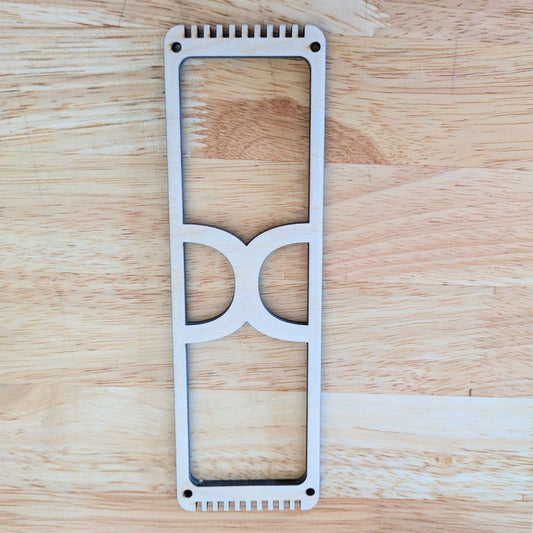
Bookmark Loom - for weaving bookmarks and other small projects
Regular price $5.50 USDRegular price$0.00 USDSale price $5.50 USD -
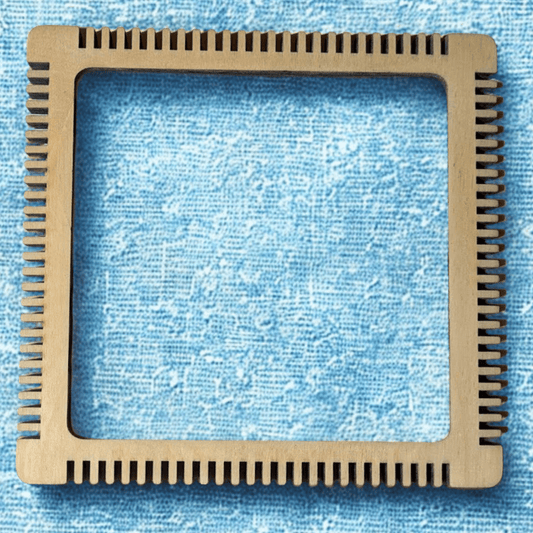
6" 4-Sided Weaving Frame Loom - 1/4" Wooden
Regular price $5.00 USDRegular price -
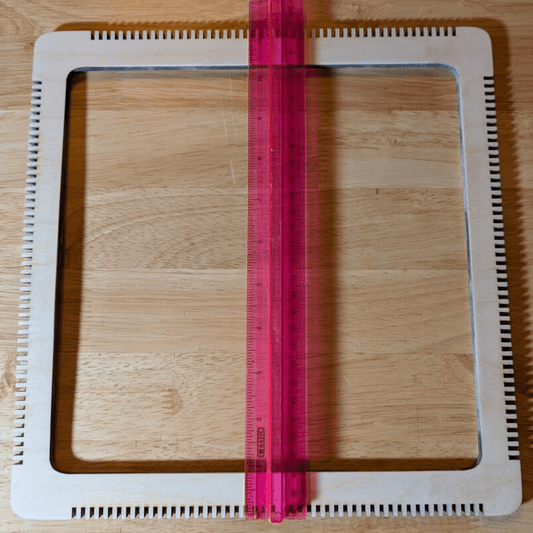
Desktop Weaving Frame Loom - 11.4" x 11.2" x 1/4" Birch or Basswood Plywood
Regular price $16.00 USDRegular price -
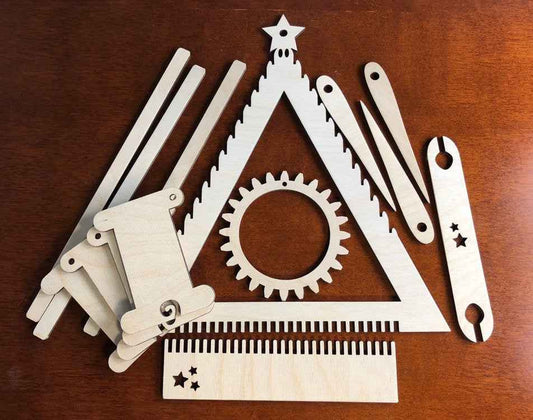
Christmas Tree Loom Kit - Crafting kit box includes a mini ornament loom
Regular price $20.00 USDRegular price$0.00 USDSale price $20.00 USD -
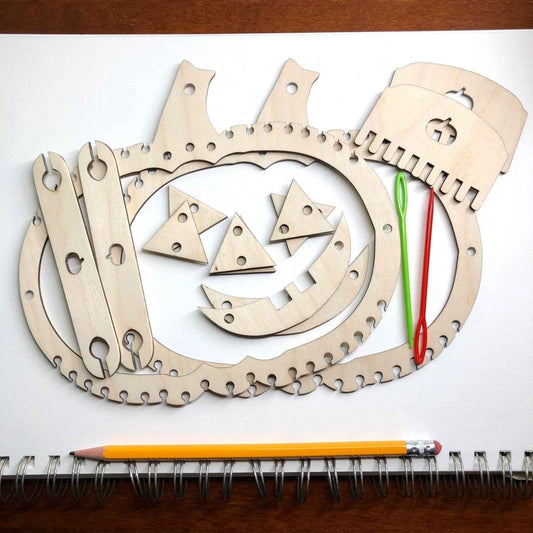
Pumpkin Themed Loom Craft Kit
Regular price $18.00 USDRegular price -
Wooden Shuttle Stick Set - 4 Weaving Shuttles
Regular price From $1.00 USDRegular price -
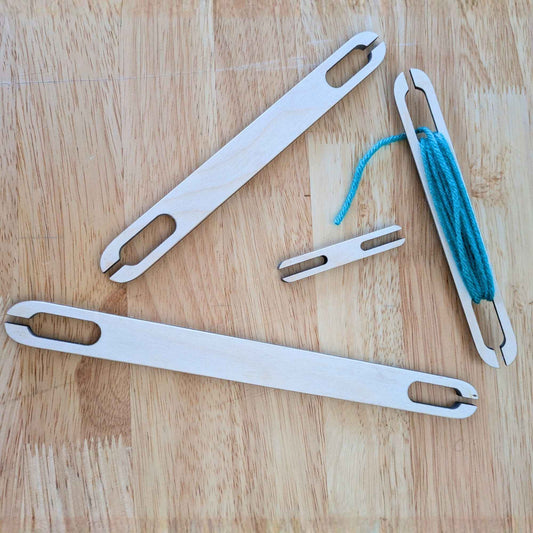
Deep Mouthed Wooden Shuttle Stick Set - 4 Weaving Shuttles
Regular price From $1.00 USDRegular price -
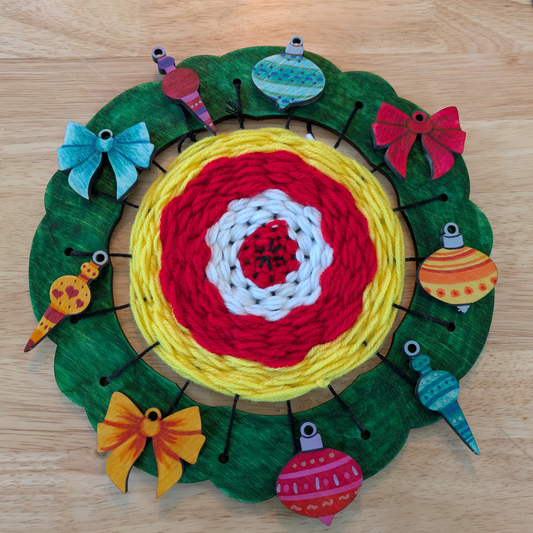
Christmas Wreath Loom and Ornament Blanks
Regular price $20.00 USDRegular price -
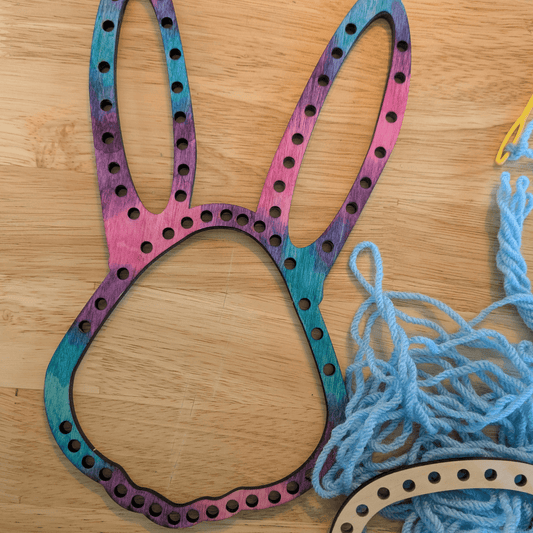
Easter Bunny and Egg Loom Kit
Regular price $19.00 USDRegular price